









A Symbiotic Bond: Exploring the Responsibilities of Rulers and Subjects
Ruler and Subject: A Core Relationship in Confucianism
In Confucianism, the relationship between ruler and subject is one of the five fundamental relationships that define social harmony and order. This particular dynamic emphasizes mutual responsibilities and ethical governance. Here’s a deeper look at this relationship:
Key Principles
- Moral Leadership:
- The ruler is expected to embody moral integrity and virtue. A good ruler leads by example, demonstrating qualities like benevolence (ren) and righteousness (yi).
- Responsibility of the Ruler:
- The ruler has a duty to care for the well-being of the subjects, ensuring their safety, happiness, and prosperity. This is often referred to as the “Mandate of Heaven,” which states that a ruler’s authority is justified by their moral character and ability to govern justly.
- Loyalty of the Subjects:
- In return, subjects are expected to show loyalty and obedience to the ruler. This loyalty is rooted in respect for the ruler’s authority, provided that the ruler acts justly and ethically.
- Social Harmony:
- This relationship is crucial for maintaining social harmony. When rulers act justly, subjects are more likely to support and respect them, leading to a stable and harmonious society.
- Consequences of Poor Governance:
- If a ruler fails to uphold their moral responsibilities, Confucianism teaches that subjects have the right to withdraw their loyalty. This idea has historically influenced the legitimacy of rulers in Chinese society.
Featured Headlines:
-
Terms of Service for Elimu Assistant News
Spread the loveLast Updated: 01/01/2026 1. Acceptance of Terms By accessing and using https://news.elimuassistant.co.ke/ (the “Website”), you agree to be bound by these Terms of Service and all applicable laws and regulations. If you do not agree with any of these terms, you are prohibited from using or accessing this site. 2. Intellectual Property Rights…
-
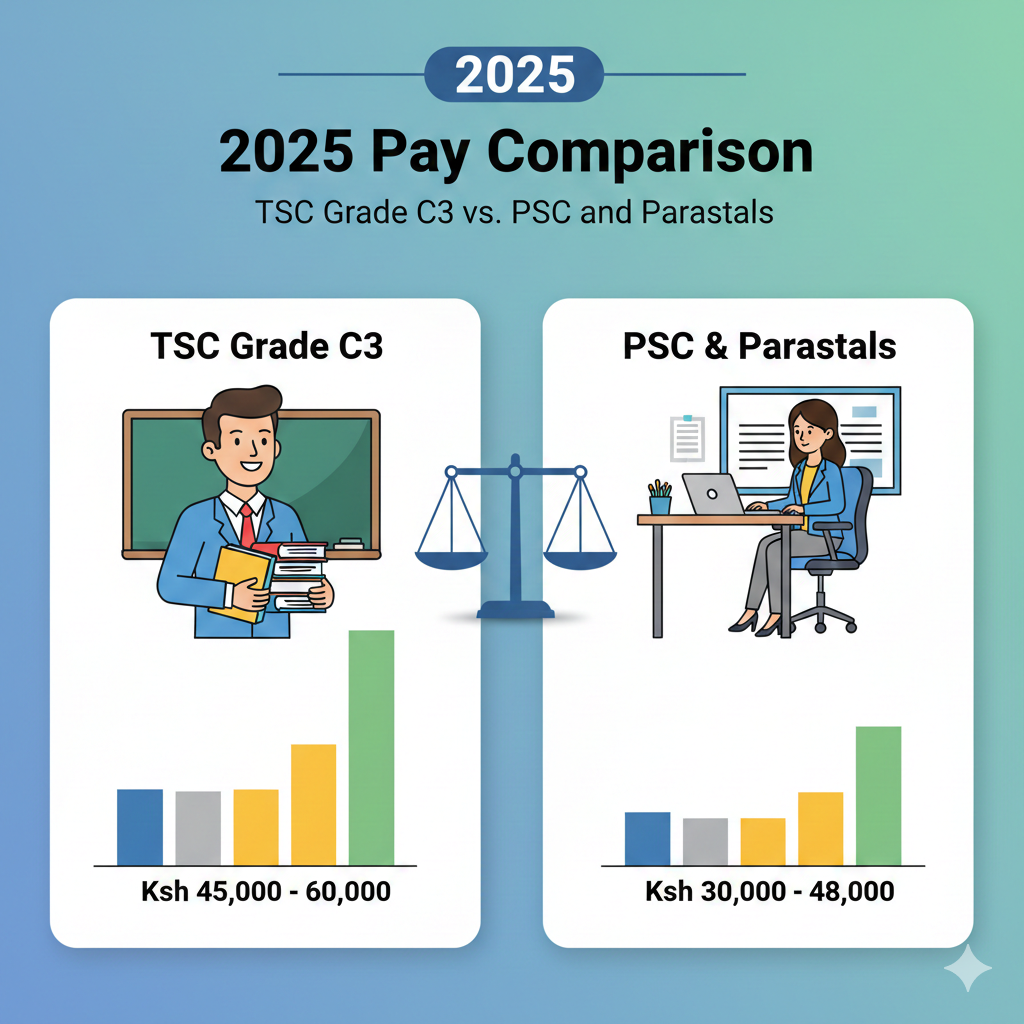
Kenya’s 2026 Pay Comparison: TSC Grade C3 vs. PSC and Parastatals
Spread the love Navigating Public Service Remuneration in 2025: A Comparison of TSC, PSC, and Parastatals Published: December 28, 2025 | Category: Careers & Finance Understanding the salary landscape in Kenya’s public sector requires navigating various regulatory bodies, from the Salaries and Remuneration Commission (SRC) to specific state corporation acts. For professionals looking to join…
-
Where to Invest in Kenya 2026: Top 5 High-Return Sectors & Business Opportunities
Spread the loveBest Performing Sectors and Investment Opportunities in Kenya: 2026 Strategic Guide Executive Summary Kenya’s economy has demonstrated remarkable resilience since 2023, with GDP growth stabilizing at 4.7% in 2024 despite global headwinds and domestic fiscal pressures. This comprehensive analysis examines the top-performing sectors, identifies emerging investment opportunities, and provides actionable strategies for entrepreneurs…
Historical Context
Throughout Chinese history, the relationship between ruler and subject has been pivotal in shaping political and social structures. Dynasties that emphasized Confucian ideals often promoted meritocracy and moral governance, while those that strayed from these principles faced challenges to their authority.
Contemporary Relevance
In modern discussions about governance, the ruler-subject relationship continues to be relevant. Concepts of accountability, ethical leadership, and the role of citizens in a democracy echo the teachings of Confucianism, highlighting the timeless nature of these principles.
Conclusion
The ruler-subject relationship in Confucianism emphasizes mutual respect, moral responsibility, and the importance of ethical governance. By fostering a balance between authority and moral integrity, this relationship aims to create a harmonious society where both rulers and subjects thrive.

How to Start a Mahindi Choma Business in Nairobi: Ksh 5,000 Daily Profit

Spread the loveProfitable Mahindi Choma Business in Nairobi: The Ultimate 2026 Guide Introduction In…

Where to Invest in Kenya 2026: Top 5 High-Return Sectors & Business Opportunities
Spread the loveBest Performing Sectors and Investment Opportunities in Kenya: 2026 Strategic Guide Executive…

How to Start a Butchery Business in Kenya: Costs, Licences, and Tips (2026)
Spread the love How to Start a Butchery Business in Kenya: Costs, Licenses, and…

U.S. Airstrikes in Nigeria: Geopolitical Manoeuvre or Resource Grab?
Spread the love Christmas Strikes in Sokoto Humanitarian Rescue or the New “Scramble for…