










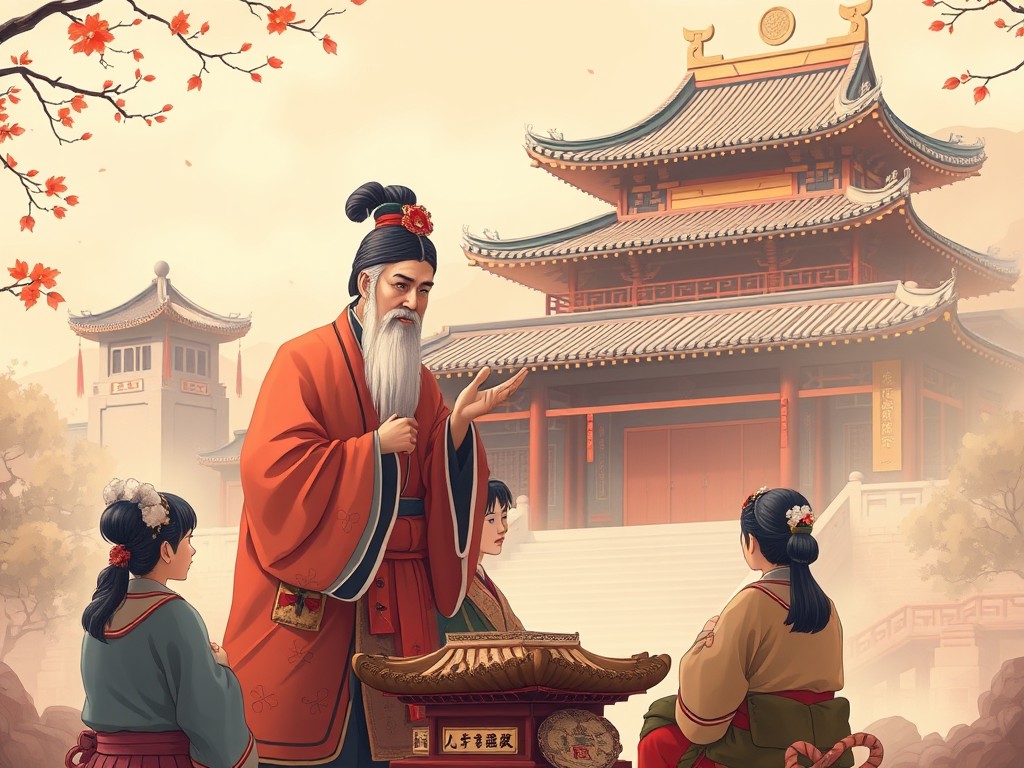
Confucianism, founded by the ancient Chinese philosopher Confucius (551-479 BCE), has played a pivotal role in shaping the moral, social, and political fabric of East Asian societies for over two millennia. Rooted in values of ethics, education, and social harmony, Confucianism remains relevant in contemporary discussions about morality and governance.
The Core Principles of Confucianism
At the heart of Confucian thought lies a commitment to moral virtue and ethical conduct. Here are some of the key concepts:
1. Ren (仁) – Benevolence and Humaneness
Ren is perhaps the most important virtue in Confucianism. It emphasizes compassion and empathy toward others, urging individuals to treat one another with kindness and respect. In a world often characterized by conflict and division, the call for ren serves as a reminder of our shared humanity.
2. Li (礼) – Rituals and Proper Conduct
Li refers to the rituals, customs, and etiquette that govern social interactions. Confucius believed that following these norms helps maintain harmony and order in society. By practicing li, individuals demonstrate respect for others and reinforce social bonds, making it a cornerstone of Confucian ethics.
3. Xiao (孝) – Filial Piety
Xiao underscores the importance of respecting and honoring one’s parents and ancestors. In Confucian thought, filial piety is not just a personal virtue; it is essential for the stability of society. By cultivating strong family ties, individuals contribute to a harmonious community.
-
How to Start a Mahindi Choma Business in Nairobi: Ksh 5,000 Daily Profit
Spread the loveProfitable Mahindi Choma Business in Nairobi: The Ultimate 2026 Guide Introduction In the heartbeat of Nairobi—from the busy pavements of Upper Hill to the crowded stages of Embakasi—one scent reigns supreme: Mahindi Choma. While others look for complex tech startups, smart entrepreneurs are looking at the grill. The roasted maize business is a…
-
Terms of Service for Elimu Assistant News
Spread the loveLast Updated: 01/01/2026 1. Acceptance of Terms By accessing and using https://news.elimuassistant.co.ke/ (the “Website”), you agree to be bound by these Terms of Service and all applicable laws and regulations. If you do not agree with any of these terms, you are prohibited from using or accessing this site. 2. Intellectual Property Rights…
-
Kenya’s 2026 Pay Comparison: TSC Grade C3 vs. PSC and Parastatals
Spread the love Navigating Public Service Remuneration in 2025: A Comparison of TSC, PSC, and Parastatals Published: December 28, 2025 | Category: Careers & Finance Understanding the salary landscape in Kenya’s public sector requires navigating various regulatory bodies, from the Salaries and Remuneration Commission (SRC) to specific state corporation acts. For professionals looking to join…
The Five Key Relationships
Confucianism emphasizes the importance of defined social roles and relationships. These relationships include:
- Ruler and Subject
- Father and Son
- Husband and Wife
- Elder Brother and Younger Brother
- Friend and Friend
Each relationship has its own duties and responsibilities, fostering an environment of mutual respect and support.
The Role of Education
Education is a central theme in Confucianism. Confucius believed that moral development and knowledge go hand in hand. He advocated for lifelong learning as a means to cultivate virtue and contribute positively to society. In this light, education is not merely about acquiring facts; it is about shaping character.
The Analects: A Window into Confucian Thought
The teachings of Confucius are primarily recorded in a text known as “The Analects” (Lunyu). This collection of sayings and ideas provides insight into his philosophy and offers guidance on how to live a virtuous life. The Analects remain a crucial resource for understanding Confucianism and its application in everyday life.
Confucianism’s Enduring Legacy
Despite facing challenges, particularly during the modern era, Confucianism has experienced a resurgence in interest. Its emphasis on community, ethical governance, and social responsibility resonates with contemporary audiences seeking solutions to modern dilemmas.
As we navigate a world filled with complexity and uncertainty, the principles of Confucianism offer valuable lessons in empathy, respect, and moral integrity. By embracing these teachings, individuals and societies can strive for a more harmonious existence.

How to Start a Mahindi Choma Business in Nairobi: Ksh 5,000 Daily Profit

Spread the loveProfitable Mahindi Choma Business in Nairobi: The Ultimate 2026 Guide Introduction In…

Where to Invest in Kenya 2026: Top 5 High-Return Sectors & Business Opportunities
Spread the loveBest Performing Sectors and Investment Opportunities in Kenya: 2026 Strategic Guide Executive…

How to Start a Butchery Business in Kenya: Costs, Licences, and Tips (2026)
Spread the love How to Start a Butchery Business in Kenya: Costs, Licenses, and…

U.S. Airstrikes in Nigeria: Geopolitical Manoeuvre or Resource Grab?
Spread the love Christmas Strikes in Sokoto Humanitarian Rescue or the New “Scramble for…