






The Difference Between Hospitality and Entertainment Establishments Under Kenyan Law
In Kenya’s vibrant economy, the hospitality sector is a major pillar. However, for entrepreneurs and travelers alike, the legal lines between a “Hotel,” a “Villas,” or a “Nightclub” can be blurry. In the eyes of the law—specifically the Tourism Act and the Alcoholic Drinks Control Act—these distinctions dictate your taxes, your operating hours, and even your building’s design.
Quick Legal Comparison
| Establishment | Primary Service | Key Legal Marker |
|---|---|---|
| Hotel | Lodging & Meals | 5+ adult guest capacity (Cap 494) |
| Restaurant | Food & Drink | No overnight stays; Health Act focus |
| Bar | Alcohol Sales | Strict “Mututho Law” hours (5pm-11pm) |
| Nightclub | Entertainment | Late night music; NEMA noise permit |
| Resort | Leisure/Tourism | Extensive recreational land & TRA Grade |
1. The Hotel: The “5-Person Rule”
Under the Hotels and Restaurants Act (Cap 494), a “hotel” is legally defined as any premises where accommodation and meals are supplied to five or more adult persons at one time for money. If you are running an establishment with 10 rooms, you are legally a hotel and must pay the 2% Catering Levy to the Tourism Fund.
2. Restaurant vs. Bar
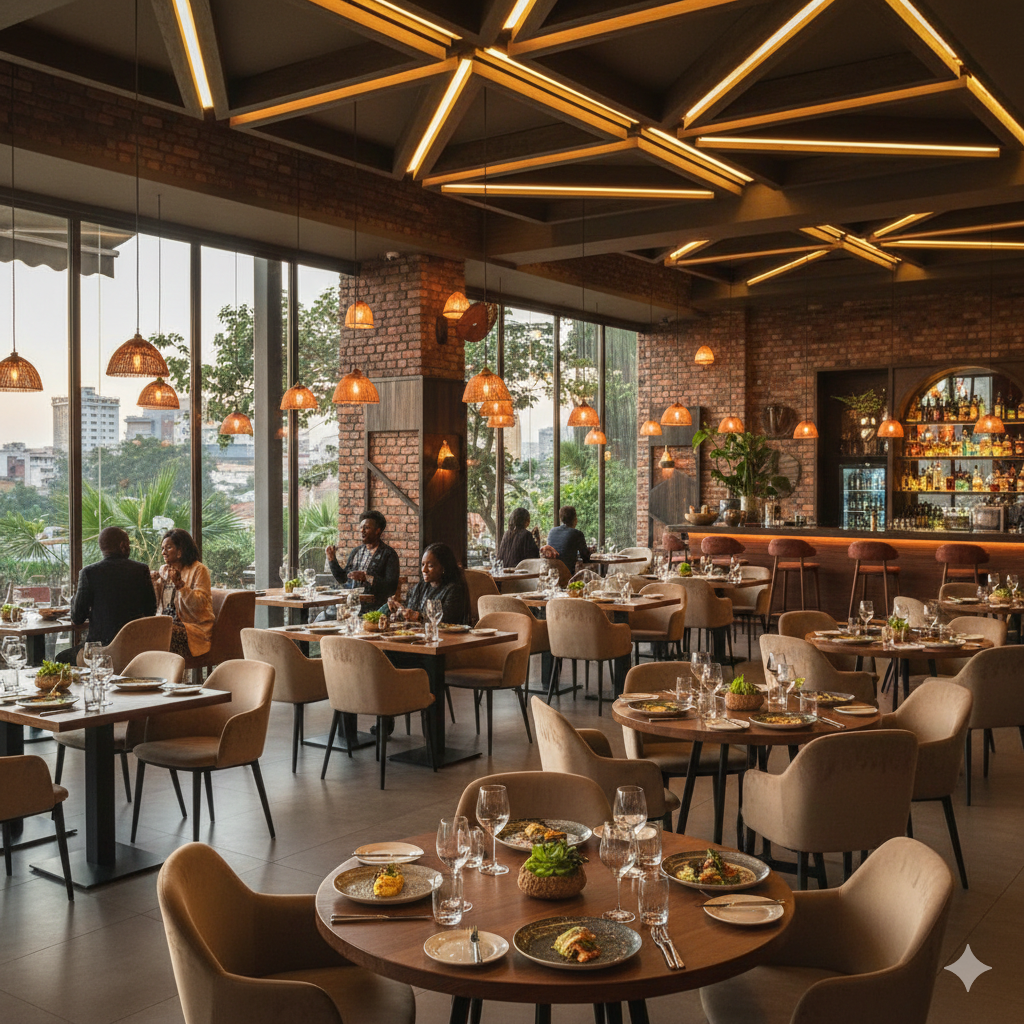
While both serve drinks, the Alcoholic Drinks Control Act (2010) draws a hard line. A restaurant’s primary business is food. A standalone bar, however, is subject to strict “Mututho” hours. In many Kenyan counties, if you hold a restaurant license but operate primarily as a bar after 11:00 PM, you risk immediate closure and heavy fines from county enforcement (Kanjo).
3. Nightclubs and the NEMA Factor
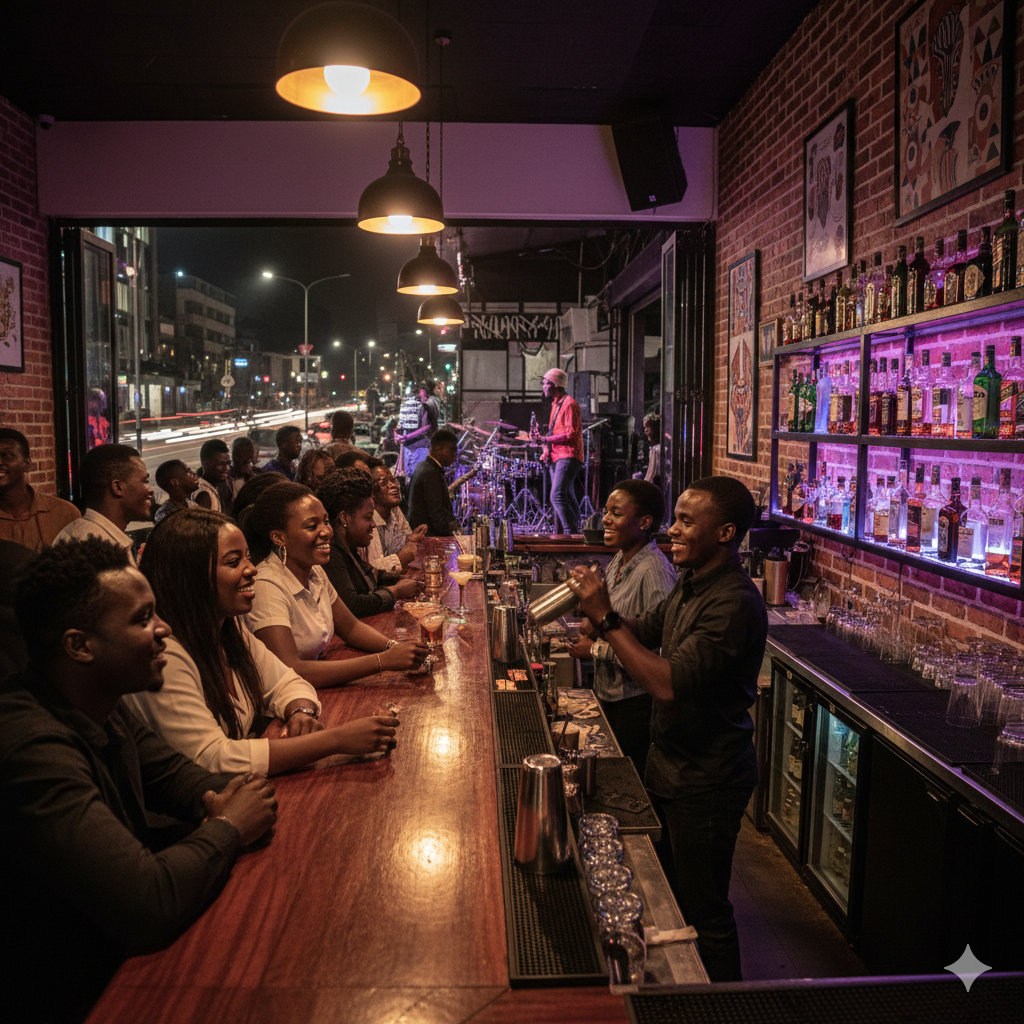
What separates a Bar from a Nightclub? Generally, it is the Nightclub License and the presence of a dance floor. Legally, nightclubs must comply with NEMA (National Environment Management Authority) regulations regarding soundproofing. Unlike bars, they are permitted to stay open until 3:00 AM or 4:00 AM, provided they don’t disturb the peace of the neighborhood.
4. Resorts and Lodges
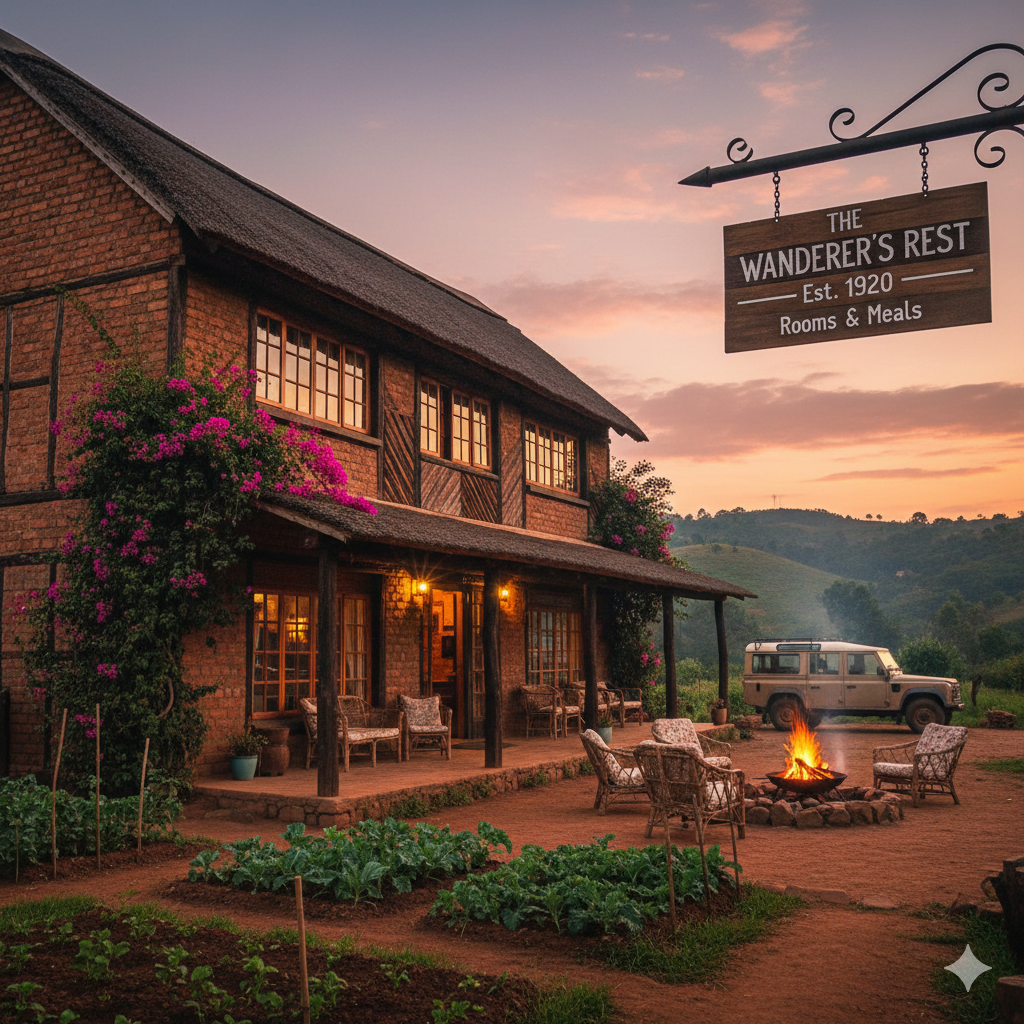
In Kenya, “Resort” is often a classification given by the Tourism Regulatory Authority (TRA). Resorts are usually located in scenic areas (like Diani or Naivasha) and are legally required to provide extensive recreational facilities. They are often subject to different environmental audits compared to a standard city hotel.
5. Guesthouses, Inns, and Motels
- Guesthouses: Often residential buildings converted for lodging. They usually fall under the 5-room threshold and have simplified licensing.
- Inns: Legally treated as small hotels, traditionally located along transit routes.
- Motels: Unique because the law looks at the architecture; rooms must be directly accessible from the parking area.
Pro Tip for Investors:
Always ensure your Single Business Permit (SBP) category matches your actual operation. Using a “Restaurant” permit to run a “Nightclub” is the most common reason for license revocation in Nairobi and Mombasa.
The Difference: Hospitality & Entertainment Under Kenyan Law
Navigating the hospitality industry in Kenya requires more than a business plan—it requires legal precision. Whether you are opening a boutique guesthouse in Watamu or a high-energy nightclub in Westlands, the Tourism Act (2011) and the Alcoholic Drinks Control Act define your path. Below is the definitive guide to these distinctions and a checklist for staying compliant.
Establishment Comparison Table
| Type | Primary Focus | Accommodation? | Legal Marker |
|---|---|---|---|
| Hotel | Lodging & Meals | Yes (5+ adults) | TRA Class A License |
| Restaurant | Food & Drink | No | Health & Food Hygiene Act |
| Bar | Alcohol Retail | No | Strict “Mututho” Hours |
| Nightclub | Entertainment | No | NEMA Noise Permit |
| Resort | Leisure/Recreation | Yes (Destination) | EIA/Environmental Audit |
The TRA Licensing Checklist (2025)
To operate any of the above, you must register with the Tourism Regulatory Authority (TRA). Here is the standard documentation you will need to upload to the TRIMS Portal:
- ✅ Certificate of Incorporation: Or Business Name Registration Certificate.
- ✅ CR12 Form: For companies (list of directors) or ID copies for sole proprietorships.
- ✅ KRA PIN & Tax Compliance: Must be valid and current.
- ✅ Health & Food Hygiene License: Issued by the County Government.
- ✅ Manager’s Qualifications: CV and certificates of the person running the facility.
- ✅ NEMA Noise Permit: (Mandatory for Nightclubs and Bars with music).
Key Government Portals
Apply for Tourism License
Pay 2% Catering Levy
Single Business Permits
Starting a hospitality business in Kenya?
Would you like me to generate a financial breakdown of the license fees for each category?
Disclaimer: This post is for informational purposes and does not constitute legal advice. Always consult with the Tourism Regulatory Authority (TRA) or a qualified advocate for specific business compliance.