



Opening a Salon in Kenya: A 5-City Cost & Licensing Comparison (2025)
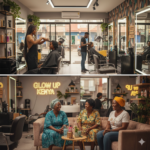
Thinking of setting up a salon in Kenya? While the Business Registration Service (BRS) fee is a flat KES 950 nationwide via eCitizen, your operational costs will change the moment you pick a city. From the premium streets of Nairobi to the fast-growing hubs of Kisii and Nakuru, here is how the “Big Five” cities compare for a standard medium-sized salon.
City-by-City License Breakdown
| City | Estimated UBP* (Annual) | Market Vibe | Key Portal |
|---|---|---|---|
| Nairobi | KES 12,000 – 25,000 | High competition, premium pricing. | NairobiPay |
| Mombasa | KES 10,000 – 18,000 | Tourist-heavy, bridal market focus. | Mombasa e-Citizen |
| Kisumu | KES 8,000 – 15,000 | Rising middle class, loyalty-based. | Kisumu County Portal |
| Nakuru | KES 7,500 – 12,000 | Lowest entry barriers, fast growth. | Nakuru County e-Svc |
| Kisii | KES 5,000 – 10,000 | High foot traffic, volume-driven. | Kisii Rev Portal |
*UBP: Unified Business Permit (Includes Trading License, Fire, and Health). Rates based on 2025 Finance Acts.
1. Nairobi: The High-Stakes Hub
In Nairobi, a salon is more than a service; it’s a brand. While the Nairobi City County permits are the most expensive, the revenue potential per client is the highest in the country.
2. Nakuru: The New City Advantage
Nakuru was recently ranked among the most business-friendly cities. For a salon, this means faster processing times for the Single Business Permit (SBP) and lower rental overheads compared to Nairobi, making it the perfect spot for first-time entrepreneurs.
3. Mombasa: The Aesthetic of the Coast
Success in Mombasa often depends on your niche (e.g., henna, bridal services, and spa treatments). The county government is strict on Health Certificates due to the humid climate, so ensure your sanitation levels are top-notch.
4. Kisumu and Kisii: The Western Expansion
Kisumu’s Nyalenda and Milimani areas offer two very different market levels, but both require a unified permit. Kisii, on the other hand, is one of the most densely populated trading hubs, meaning high foot traffic but intense local competition.
Mandatory 2025 Salon Compliance Checklist:
- eCitizen BRS Certificate: Your legal identity.
- County UBP: Paid via NairobiPay or respective county portals.
- Food/Health Handler Certificate: Required for all staff (even if only doing hair).
- MCSK/PRISK License: Mandatory if you play music for your clients.
Ready to take the first step?
Would you like me to help you draft the specific equipment list and budget for a mid-range salon?
Setting Up a Salon in Kenya: 5-City Comparison & 2025 Budget
The beauty industry remains one of Kenya’s most resilient sectors. However, while National Registration is a flat fee, your County permits and setup costs vary wildly. Below is the definitive 2025 guide for salon owners across Kenya’s major urban hubs.
1. The City Face-Off: License Fees
Under the 2025 Finance Acts, counties have adjusted their Unified Business Permits (UBP). Notably, Kisii County has significantly slashed small business fees to encourage growth.
| City | Est. UBP Fee (2025) | Market Vibe |
|---|---|---|
| Nairobi | KES 15,000 – 25,000 | Premium/Corporate; High revenue per client. |
| Mombasa | KES 10,000 – 18,500 | Heavy focus on Bridal & Spa tourism. |
| Kisumu | KES 8,000 – 15,000 | Stable lakeside middle-class market. |
| Nakuru | KES 7,500 – 12,000 | Fastest growth; lowest entry barriers. |
| Kisii | KES 5,000 – 8,500 | 2025 Value Spot: Massive tax cuts for SMEs. |
2. Mid-Range Salon Equipment Budget
Estimated startup costs for a 3-workstation salon in 2025. Costs may vary based on whether items are imported or locally fabricated (Jua Kali).
| Item | Quantity | Est. Total (KES) |
|---|---|---|
| Styling Chairs (Hydraulic) | 3 | 45,000 |
| Shampoo Sink/Unit | 1 | 15,000 |
| Hood Hair Dryers (Standing) | 2 | 36,000 |
| Professional Blow Dryers | 2 | 10,000 |
| UV/LED Sterilizer (Public Health Req) | 1 | 8,500 |
| Wall Mirrors & Decor | 3 | 20,000 |
| Total Est. Equipment Capital | KES 134,500 | |
3. The “Don’t Forget” Compliance List
- 📍 Public Health Certificate: Mandatory under Cap 242. Staff must have food/health handler certificates (approx KES 1,000 each).
- 🎶 Music Licenses (MCSK/KAMP/PRISK): If you have a TV or play background music, this is mandatory. Annual fees start at ~KES 2,500.
- 🔥 Fire Clearance: You must have a serviced fire extinguisher (usually 4kg CO2 or Powder) and a first aid kit to pass county inspection.
Ready to start your journey?
Success in the salon business is 40% skills and 60% compliance and location.