







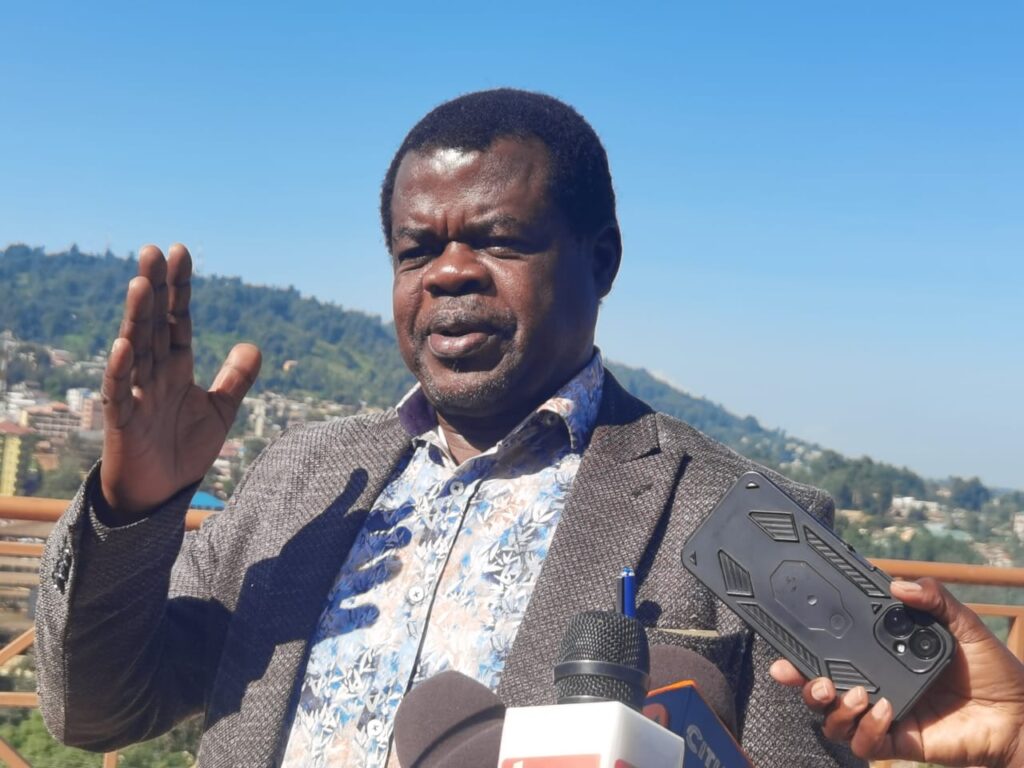
On 24 November 2025, Busia Senator and serial public-interest litigant Okiya Omtatah Okoiti walked into the Constitutional and Human Rights Division of the High Court in Nairobi and dropped a bombshell: Constitutional Petition E757 of 2025.
In plain language, he is asking the court to declare the entire concept of a National Tallying Centre at Bomas of Kenya unconstitutional when it comes to presidential elections.
If he wins, the dramatic scenes we have become used to (politicians camped at Bomas for days, endless Forms 34C debates, allegations of “servers” and midnight vote doctoring) could become history by the next general election in 2027.
What exactly is Omtatah challenging?
- Section 39(1C) and (1G) of the Elections Act
- Regulation 83(2) of the Elections (General) Regulations, 2012
- The very practice of ferrying Forms 34B from the 290+ constituencies to Nairobi for “re-verification” and final announcement by the IEBC Chairperson.
His core argument is simple but explosive: Under Articles 81(e) and 86 of the 2010 Constitution, and especially Article 138(4), the results announced at the constituency tallying centre by the Constituency Returning Officer are final and binding. Bringing those results to Bomas and subjecting them to a second “verification” or “validation” process is an unconstitutional extra layer that the law does not allow. In Omtatah’s words (from the petition):
“The Constitution does not contemplate a national tallying centre or a national returning officer for the presidential election. The only returning officers the Constitution recognises are the 290 constituency returning officers.”
Okiya Omutatah
Why this is a big deal Kenya’s three most controversial presidential elections (2013, 2017, and 2022) all had one thing in common: the drama moved from constituencies to Bomas. Once the results left the constituency, suspicion, anxiety, and litigation followed.
- In 2013, the “server crashed” narrative was born at Bomas.
- In 2017, the Supreme Court nullified the election partly because of irregularities in transmission and tallying after results were left in constituencies.
- In 2022, four IEBC commissioners disowned the final tally at Bomas, claiming the opaque “verification” process had been hijacked.
Omtatah says: remove Bomas entirely, and you remove the single point where the entire election can be allegedly manipulated.
What would change if Omtatah wins?
- Immediate public announcement and posting of Form 34B at every constituency (already happens).
- Those constituency results become final and unchangeable.
- The IEBC Chairperson simply aggregates the 290+ constituency results mathematically and declares the winner. No “verification”, no “clarification”, no week-long drama at Bomas.
- Any dispute goes straight to the Supreme Court based on the posted constituency results (no more fighting over what happened inside Bomas).
In short: radical decentralisation and transparency. Is there legal precedent? Yes. In the famous 2017 Maina Kiai case (the “finality of constituency results” case), the Court of Appeal ruled that:
“The only results that matter for purposes of declaring a presidential winner are the results announced at the constituency.”
Court of Appeal
The Supreme Court in 2017 also heavily criticised the IEBC for irregularities that happened after the results were left in constituencies. Omtatah is basically asking the court to take those precedents to their logical conclusion: if constituency results are final, why are we still maintaining a national centre that pretends they are provisional? Early reactionsWithin hours of Omtatah posting the four-page press summary on X, Kenyans online were largely supportive:
- “Finally, someone is killing the Bomas circus.”
- “This is the electoral reform we need, not cosmetic amendments.”
- “If this case succeeds, 2027 will be the cleanest election in Kenya’s history.”
Of course, there are sceptics too: some worry about logistical nightmares in far-flung areas, others fear powerful incumbents could intimidate returning officers in individual constituencies without the “cover” of a national centre. The road. The petition has already been certified as urgent. Justice Lawrence Mugambi has directed that it be served on the IEBC, the Attorney-General, and the Speaker of the National Assembly within days. A directions hearing is expected before the end of January 2026. If the High Court rules in Omtatah’s favour, expect an immediate appeal all the way to the Supreme Court, because the political stakes could not be higher.
Final thought
For too long, Kenyans have been held hostage by a single building in Nairobi for a week after every election. Okiya Omtatah is betting that the Constitution never intended for the Bomas of Kenya to have so much power over the people’s choice. If the courts agree with him, the 2027 presidential election will not look anything like the ones we are used to, and that might just be the best news Kenyan democracy has had in years. Watch this case. It is bigger than it looks.
#NoMoreBomasDrama
#PetitionE757of2025