





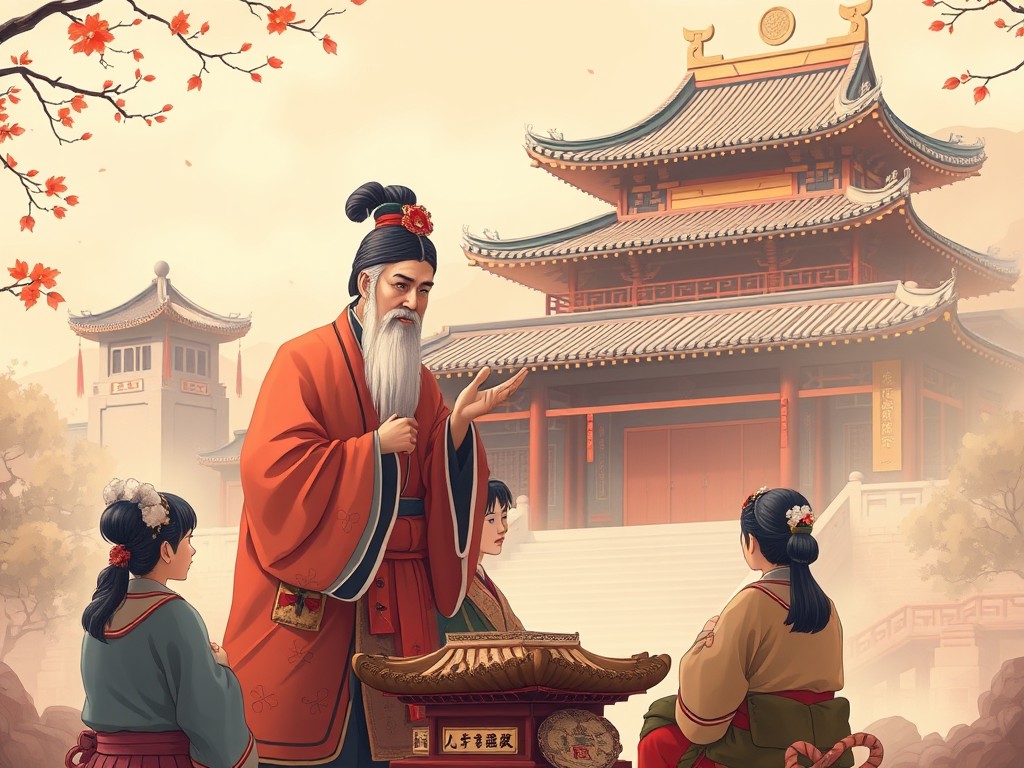
Confucianism, founded by the ancient Chinese philosopher Confucius (551-479 BCE), has played a pivotal role in shaping the moral, social, and political fabric of East Asian societies for over two millennia. Rooted in values of ethics, education, and social harmony, Confucianism remains relevant in contemporary discussions about morality and governance.
The Core Principles of Confucianism
At the heart of Confucian thought lies a commitment to moral virtue and ethical conduct. Here are some of the key concepts:
1. Ren (仁) – Benevolence and Humaneness
Ren is perhaps the most important virtue in Confucianism. It emphasizes compassion and empathy toward others, urging individuals to treat one another with kindness and respect. In a world often characterized by conflict and division, the call for ren serves as a reminder of our shared humanity.
2. Li (礼) – Rituals and Proper Conduct
Li refers to the rituals, customs, and etiquette that govern social interactions. Confucius believed that following these norms helps maintain harmony and order in society. By practicing li, individuals demonstrate respect for others and reinforce social bonds, making it a cornerstone of Confucian ethics.
3. Xiao (孝) – Filial Piety
Xiao underscores the importance of respecting and honoring one’s parents and ancestors. In Confucian thought, filial piety is not just a personal virtue; it is essential for the stability of society. By cultivating strong family ties, individuals contribute to a harmonious community.
-
Tragedy Strikes KJSEA Marking Exercise as Examiner Dies at Machakos Girls High School
Spread the loveNairobi, Kenya – November 24, 2025 The Kenya National Examinations Council (KNEC) has announced the death of one of its examiners during the ongoing Kenya Junior School Education Assessment (KJSEA) marking exercise. The Incident Mr. Nicodemus Mutua Mutuku passed away this morning at Machakos Girls High School, where he was serving as a…
-
Shadows of Empire: How the West Maintains Control in Africa
Spread the loveMore than six decades after the wave of African independence, a troubling pattern persists. While colonial flags have been lowered and new anthems composed, the exploitation hasn’t ended—it has simply evolved. This is neocolonialism: the art of maintaining empire without the embarrassment of occupation. The term, coined by Ghana’s founding president Kwame Nkrumah,…
-
Why Senator Okiya Omtatah Wants to Abolish the Bomas National Tallying Centre (And Why It Matters for 2027)
Spread the loveOn 24 November 2025, Busia Senator and serial public-interest litigant Okiya Omtatah Okoiti walked into the Constitutional and Human Rights Division of the High Court in Nairobi and dropped a bombshell: Constitutional Petition E757 of 2025. In plain language, he is asking the court to declare the entire concept of a National Tallying…
The Five Key Relationships
Confucianism emphasizes the importance of defined social roles and relationships. These relationships include:
- Ruler and Subject
- Father and Son
- Husband and Wife
- Elder Brother and Younger Brother
- Friend and Friend
Each relationship has its own duties and responsibilities, fostering an environment of mutual respect and support.
The Role of Education
Education is a central theme in Confucianism. Confucius believed that moral development and knowledge go hand in hand. He advocated for lifelong learning as a means to cultivate virtue and contribute positively to society. In this light, education is not merely about acquiring facts; it is about shaping character.
The Analects: A Window into Confucian Thought
The teachings of Confucius are primarily recorded in a text known as “The Analects” (Lunyu). This collection of sayings and ideas provides insight into his philosophy and offers guidance on how to live a virtuous life. The Analects remain a crucial resource for understanding Confucianism and its application in everyday life.
Confucianism’s Enduring Legacy
Despite facing challenges, particularly during the modern era, Confucianism has experienced a resurgence in interest. Its emphasis on community, ethical governance, and social responsibility resonates with contemporary audiences seeking solutions to modern dilemmas.
As we navigate a world filled with complexity and uncertainty, the principles of Confucianism offer valuable lessons in empathy, respect, and moral integrity. By embracing these teachings, individuals and societies can strive for a more harmonious existence.
Tragedy Strikes KJSEA Marking Exercise as Examiner Dies at Machakos Girls High School

Spread the loveNairobi, Kenya – November 24, 2025 The Kenya National Examinations Council (KNEC)…

Shadows of Empire: How the West Maintains Control in Africa
Spread the loveMore than six decades after the wave of African independence, a troubling…

Why Senator Okiya Omtatah Wants to Abolish the Bomas National Tallying Centre (And Why It Matters for 2027)
Spread the loveOn 24 November 2025, Busia Senator and serial public-interest litigant Okiya Omtatah…

What to Study Now for a Successful Career in Kenya’s Future (2026-2050)
Spread the loveFuture-Proof Your Career: The Top 10 Most Promising Careers in Kenya (2026-2050)…