






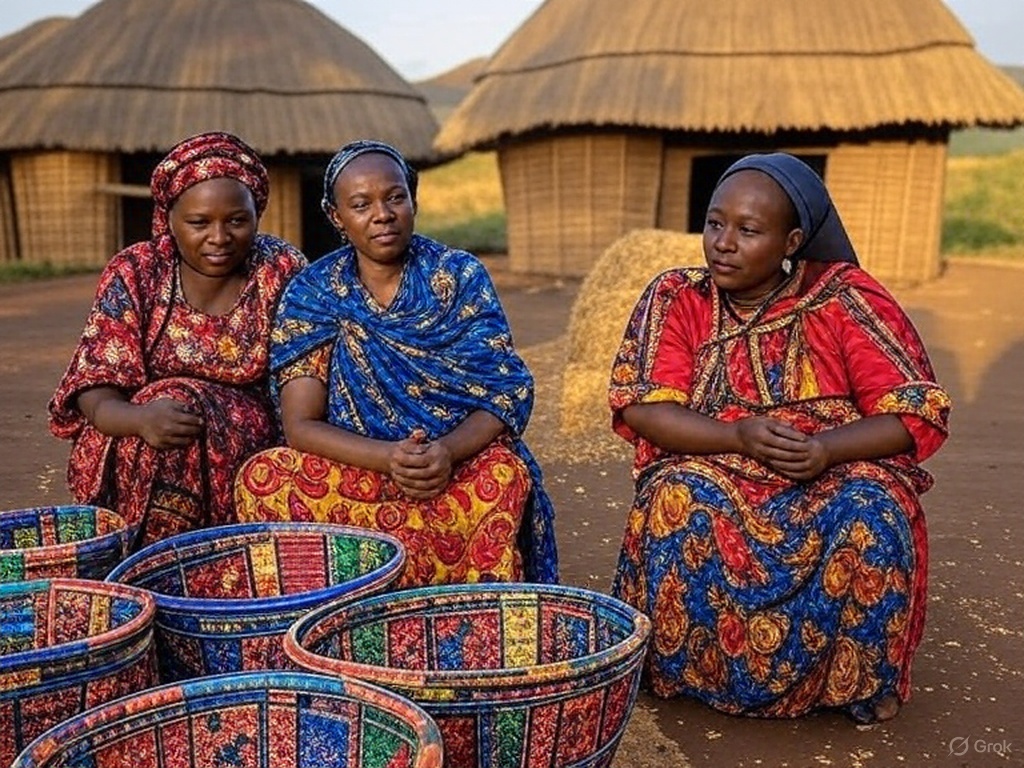
An Abagusii Tale from the 17th Century

An Abagusii Tale from the 17th Century

Spread the love

Spread the loveThe Journey of Mogusii’s Heirs: An Abagusii Tale from the 17th Century In the early years of the 17th century, the Abagusii were a people on the move, their roots stretching back to a mythical place called Misiri, a land of hardship north of Mount Elgon. Oral traditions whispered that their ancestor, Mogusii,…

Read More

The Abagusii in the Early 20th Century: Navigating Colonialism, Agriculture, and Resistance (1900–1920)

Spread the love

Spread the loveThe Abagusii in the Early 20th Century: Navigating Colonialism, Agriculture, and Resistance (1900–1920) Nestled in the fertile highlands of western Kenya, the Abagusii people—also known as the Gusii or Kisii—experienced profound changes between 1900 and 1920. This period marked the dawn of British colonial rule in Gusiiland, bringing new crops, administrative control, and…

Read More
Mumboism

The Mumboism movement

Spread the love

Spread the loveThe Mumboism movement was a significant anti-colonial, millennialist religious movement that emerged in the early 20th century among the Luo and Kisii (Abagusii) communities in Kenya’s Nyanza region, particularly around South Nyanza (modern-day Homa Bay, Migori, and Kisii counties). It arose as a response to the oppressive conditions imposed by British colonial rule,…

Read More

The Science of Skin Color: Evolution, Genetics, and Adaptation

Spread the love

Spread the loveWhy are black people and white different in color? Skin color is one of the most noticeable differences among human populations. While some assume it’s purely a racial trait, the reality is far more complex—rooted in evolution, genetics, and environmental adaptation. This blog post explores why humans (and even animals) vary in pigmentation,…

Read More

Lessons from the Kisii Work Ethic: A Neighbor’s Perspective and Mixed Reactions

Spread the love

Spread the loveLessons from the Kisii Work Ethic: A Neighbor’s Perspective Introduction In the realm of cultural observations, a recent X post by Kimajani Laboso, a Kalenjin neighbor of the Kisii people, shed light on an intriguing aspect of community dynamics and work ethic in Kenya. Laboso’s tweet, which reads, “As a neighbour of kisiis…

Read More

The Story of Mungiki: From Cultural Movement to Criminal Syndicate

Spread the love

Spread the loveOrigins and Ideology (Late 1980s – Early 1990s) Mungiki emerged in the late 1980s within the urban slums of Nairobi, particularly in areas like Mathare and Kibera. Initially conceived as a cultural and religious movement, Mungiki aimed to revive Kikuyu traditions and resist Western cultural influences. It sought social justice, addressing pressing issues…

Read More
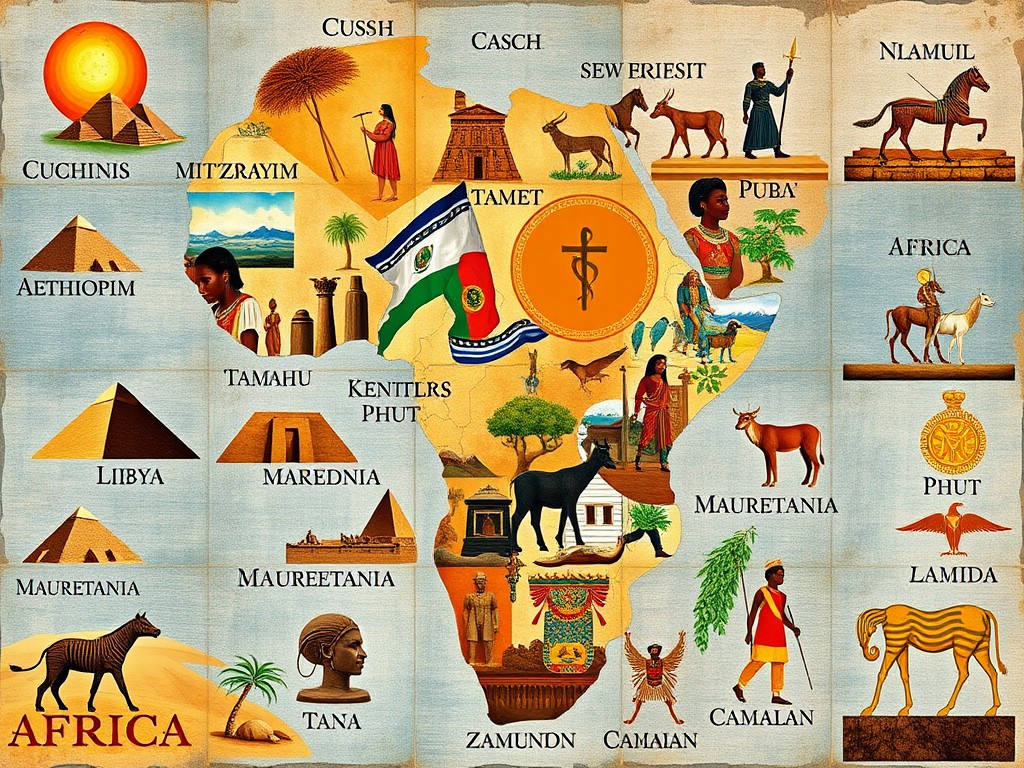
historical-names-given-to-afric.jpeg

Names and Terms Used for Africa in Ancient Civilizations

Spread the love

Spread the loveNames and Terms Used for Africa in Ancient Civilizations Throughout history, the African continent has been known by various names, each reflecting the perceptions, interactions, and cultural understandings of different civilizations. From ancient Egyptian hieroglyphs to Greek writings and Roman texts, these names illustrate not only geographical references but also the rich tapestry…

Read More
Vatican Approves New Guidelines for Gay Men in Priesthood

Vatican Approves New Guidelines for Gay Men in Priesthood

Spread the love

Spread the loveVatican City – In a move that signals a nuanced shift in policy, the Vatican has greenlit new guidelines from the Italian Bishops’ Conference, allowing gay men to enter seminaries and pursue priesthood under the condition of celibacy. This decision, marking a departure from previous restrictions, underscores the Catholic Church’s ongoing debate on…

Read More

Moral Authority: The Role of Rulers and Their Subjects in Confucianism that President Ruto must Learn from.

Spread the love

Spread the loveA Symbiotic Bond: Exploring the Responsibilities of Rulers and Subjects Ruler and Subject: A Core Relationship in Confucianism In Confucianism, the relationship between ruler and subject is one of the five fundamental relationships that define social harmony and order. This particular dynamic emphasizes mutual responsibilities and ethical governance. Here’s a deeper look at…

Read More