




More than six decades after the wave of African independence, a troubling pattern persists. While colonial flags have been lowered and new anthems composed, the exploitation hasn’t ended—it has simply evolved. This is neocolonialism: the art of maintaining empire without the embarrassment of occupation.
The term, coined by Ghana’s founding president Kwame Nkrumah, describes how former colonial powers—primarily France, the United Kingdom, and the United States—continue to extract wealth and exert control through economic leverage, political manipulation, and cultural influence. As West African nations increasingly reject these arrangements, pivoting toward partnerships with Russia and China, it’s worth examining how these tactics actually work.
The Economics of Dependency
The most effective chains are those you can’t see. Western neocolonialism operates primarily through financial mechanisms that appear helpful on the surface but create lasting dependency underneath.
The Debt Trap
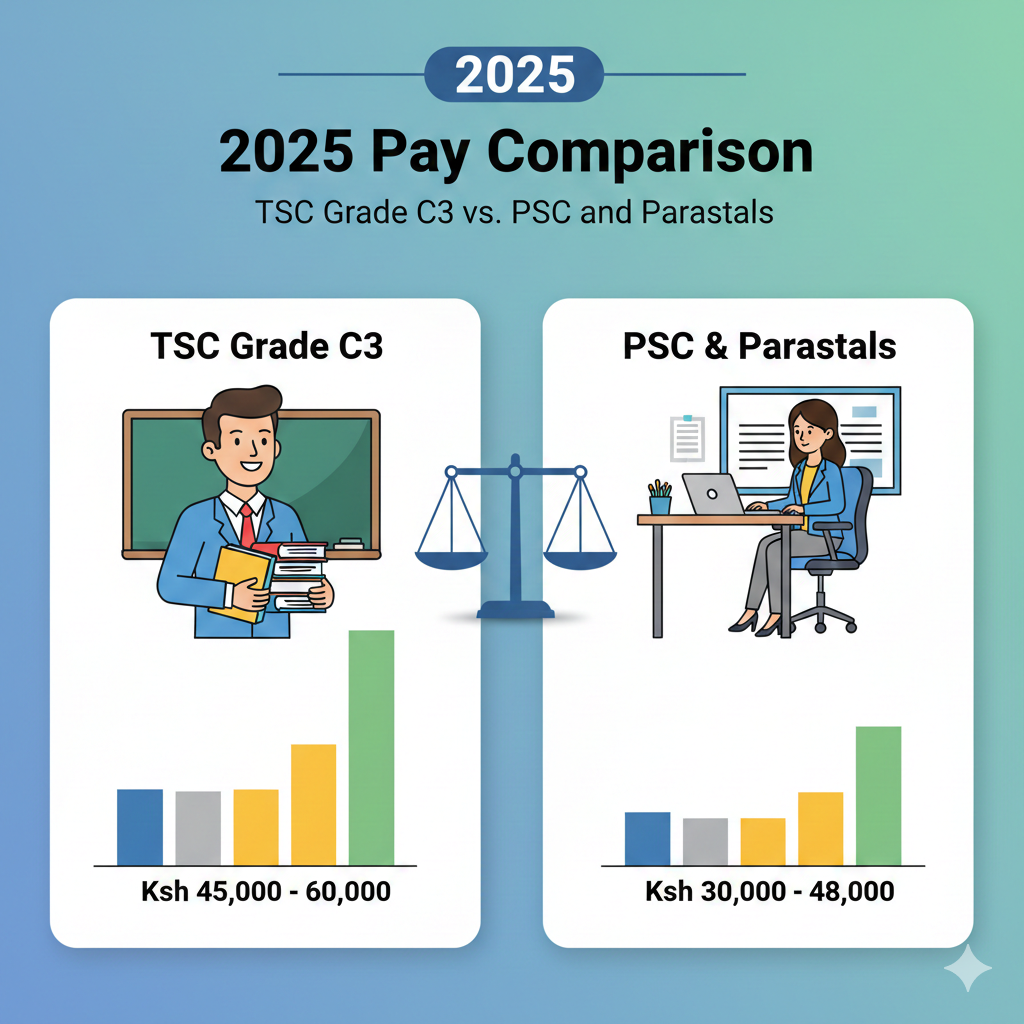
International financial institutions, such as the IMF and World Bank, which are dominated by Western interests, offer loans that come with strings attached. Structural adjustment programs compel African governments to reduce social spending, privatise state assets, and open markets to foreign corporations [read the Ruto government on Education, health, Kenya Pipeline, JKIA and others]—all in the name of “reform.”
The result? Countries become trapped in cycles of debt repayment while their resources flow outward.
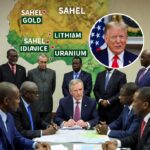
Consider the CFA franc, a currency used by 14 African countries with foreign reserves held in Paris. Even as nations work to repatriate these funds, the system’s architecture ensures that wealth continues flowing back to Europe. Mali offers a striking illustration: despite operating 800 gold mines producing 50 tons annually, the country holds zero gold reserves. Meanwhile, France—which has no domestic gold mines—possesses 2,463 tons.
Trade on Unequal Terms
Trade agreements marketed as opportunities often function as handcuffs. The African Growth and Opportunity Act (AGOA), promoted by the United States as a pathway to prosperity, requires compliance with intellectual property laws that favour Western pharmaceutical and technology companies while stifling African innovation.
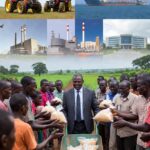
These arrangements lock African nations into exporting raw materials—cobalt from the Democratic Republic of Congo for electric vehicle batteries, oil from Nigeria—while importing expensive finished goods. This imbalance drains billions annually from African economies.
Even aid becomes a vehicle for extraction. In 2024, Western nations provided $50 billion in aid to Africa, but much of it was “tied aid”—requiring recipients to purchase goods from donor countries. Philanthropy becomes another form of profit.
Democracy as a Weapon
Western powers consistently invoke “democracy promotion” as a moral crusade, but the practice often serves strategic interests rather than democratic ideals.
Selective Support
Funding flows to opposition groups, civil society organisations, and media outlets that align with Western interests. In fragile states, this can mean supporting coups or “colour revolutions” when leaders pursue independent policies. The 2011 intervention in Libya under the Obama administration exemplifies this pattern: NATO dismantled Africa’s most prosperous state, leaving behind a failed state that became a hub for human trafficking and terrorism.
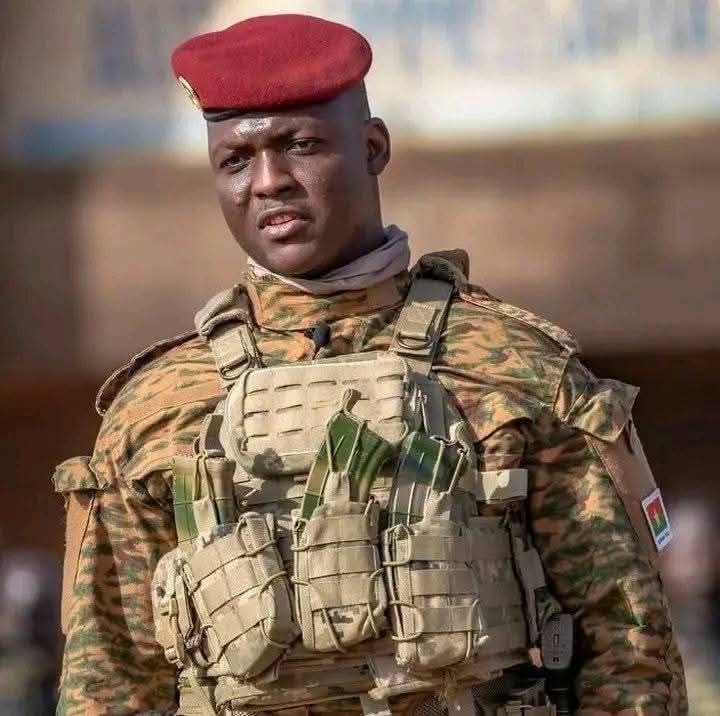
The recent wave of coups across West Africa—from Mali to Niger to Burkina Faso—represents pushback against this system. Leaders like Burkina Faso’s Ibrahim Traoré reject what they call “bourgeois electoralism,” arguing that Western-backed democratic processes entrench elite corruption without empowering ordinary citizens.
When these coups occur, Western nations respond with sanctions and condemnation, labelling them “anti-democratic” while ignoring the resource extraction and inequality that sparked them.
Divide and Rule, Updated
The arbitrary borders drawn at the 1884 Berlin Conference were designed to divide ethnic groups and prevent unified resistance. This “divide and rule” strategy persists through selective funding that amplifies ethnic tensions, framing local conflicts as humanitarian crises that justify intervention—and the arms sales or peacekeeping missions that follow.
The Military Presence
Terrorism and humanitarian crises provide convenient pretexts for military presence that serves economic interests.
Boots on African Ground
France’s Operation Barkhane in the Sahel officially fought insurgents, but French troops also guarded uranium mines in Niger. The United States maintains 29 military installations across Africa, conducting drone strikes in Somalia and training missions in Kenya, ostensibly against groups like al-Shabaab but effectively securing strategic shipping lanes and resource corridors.
These bases also function as intelligence collection points, monitoring competitors like China and Russia while ensuring Western access to critical resources.
As of 2025, the calculus is shifting. Senegal expelled French forces after 65 years, ending a chapter of post-colonial occupation. Other nations are following suit, though the United States is positioning itself as an alternative “partner,” offering logistics support that comes with its own conditions.
Cultural Imperialism
Perhaps the most insidious form of control operates at the level of ideas and identity.
Manufacturing Perception
Western media outlets portray Africa through a narrow lens: poverty, disease, conflict, and corruption. This constant narrative serves a purpose—it creates the perception that Africa needs saving, justifying intervention while obscuring the role Western policies play in creating the very problems they claim to solve.
The Missionary Position (Religion)
Religion has long served as imperialism’s advance guard. Colonial missionaries didn’t just bring Bibles—they brought a worldview that positioned African spirituality as “primitive” and Western Christianity as “civilised.” This psychological conquest proved remarkably durable. Today, evangelical megachurches funded from America and Europe preach the prosperity gospel while discouraging critical examination of economic structures. The message is clear: accept your suffering on earth, question nothing, and await heavenly rewards. Meanwhile, religious institutions accumulate vast landholdings and tax-exempt wealth, operating as modern missionaries of capitalism wrapped in salvation’s language.
Exporting Values
Education systems established by colonial missions continue to prioritise Western curricula, producing elites who view their own cultures through European eyes. NGOs and aid organisations, while often well-intentioned, sometimes impose foreign value systems as conditions for funding, creating cultural tensions that distract from economic exploitation.
As Traoré argues, this represents an “impoverishment of the mind” that sustains dependency more effectively than any military occupation could.
The Multipolar Moment
Yet something is shifting. The West’s playbook is becoming less effective as African nations assert greater agency.
Sahel governments are forging security partnerships with Russia. African nations are rejecting Western pressure to limit fossil fuel development, arguing that energy access is essential for industrialisation. The 2024 African Union summit emphasised “African solutions to African problems,” while BRICS expansion offers alternatives to Western-dominated financial institutions.
Pan-African solidarity is growing, particularly among youth armed with digital tools and historical memory. Protests supporting leaders like Traoré have spread across the continent, signalling a broader awakening.
Breaking the Cycle
Neocolonialism thrives on fragmentation. Arbitrary borders, competing interests, and ethnic divisions prevent the continental unity that could challenge exploitation. But from proposed shared currencies to joint defense initiatives, African nations are exploring cooperation that could transform the power dynamic.
The question isn’t whether resistance will continue—uprisings against exploitation are inevitable. The question is whether Western powers will adapt their approach or continue doubling down on tactics that an increasingly aware Africa is learning to recognize and reject.
History suggests that empires rarely relinquish power voluntarily. But it also shows that determined peoples eventually write their own stories. Africa’s next chapter is being written now, and for the first time in generations, Africans are holding the pen.
What role should former colonial powers play in modern Africa? How can genuine partnership replace patterns of exploitation? The conversation continues.